An online student outlet for long form journalism, personal essays, and creative writing
Guns and Badges at the Polls
Djemima Duvernat
38 minutes ago
3 min read
Photo Credit: Djemima Duvernat
Election Day is less than a month away, and Washington has been sending mixed signals about whether the threat of having armed federal immigration agents showing up at the polls still stands. Federal law says they can’t, but the Trump administration has said that they might. Who is right? Patricia Crouse, a practitioner in residence of public administration and political science at the University of New Haven, said that uncertainty is doing political work on its own. “The basic answer is that it is a way to control elections, which is something this administration feels strongly about,” Crouse said in an email. “They present it as protecting the integrity of our elections system, and many people will believe that.”
In May 2026, President Trump was asked whether he would send National Guard troops and/or ICE officers to polling places during the midterm elections. He said he would “do anything necessary to make sure we have honest elections,” according to the Brennan Center for Justice; and his administration has given conflicting answers since. White House press secretary Karoline Leavitt told reporters she couldn’t guarantee an ICE agent wouldn’t be near the polling locations, although she said she had not heard the president discuss any formal plans.
Weeks after that statement, a Department of Homeland Security official told state election officials on a call that ICE would not be stationed at polling places this year, Votebeat reported. Then in September, Homeland Security Secretary Markwayne Mullin told reporters that agents could still enter a polling place if there was a threat to it or if they were serving a warrant, according to Democracy Docket. Outside that administration, former White House strategist Steve Bannon has said on his podcast that ICE would surround the polls in November. What does the law say about all of this?
Federal law makes it a crime for an official to order “troops or armed men” at a place where an election is being held. The penalty is up to five years in prison and disqualification from the federal office. Several states have also proposed their own bans on federal agents near polling sites, Stateline reported. Federal troops and marshals have been sent to polling places before, most notably during Reconstruction; yet Crouse said that the comparison does not hold today. “I am not sure it is a fair comparison because today federal law prohibits stationing armed federal troops or agents at polling places,” she said. “Any attempt to do so today will bring an automatic challenge in the courts.” Which is exactly what the Trump administration is going through right now. Changing that would take an act of Congress, and Crouse said there is no time for one. Lawmakers have already left Washington until after the midterms, she said. What the administration wants to do and what can actually occur are very different things,” Crouse said.
What the Trump Administration wants is intimidation. Voting-rights groups such as the Brennan Center argue that the talk alone is meant to make voters afraid. Crouse said she doesn’t expect it to work. “I do not know of any current research on this topic, but I do know election behavior, and voters take their rights to vote very seriously and will exercise that right despite any impediments that may be put in their way.” She said barriers like voter ID laws and trouble getting to the polls do keep people from voting, but she does not believe this threat has the same effect. Some administration allies, including White House border czar Tom Homan, have argued that only citizens can vote, so enforcement at the polls shouldn’t worry anyone. Crouse said the argument ignores what is already in place. “I would say that there are already laws and policies in place that prevent voter fraud from occurring, which make any type of enforcement at the polls unnecessary,” she said.
Why does any of this matter to you as a student? Election Day is November 3rd. Whether agents appear at a polling place may not be known until November 3rd itself. Until then, voters are left with uncertainty on what next steps could be. For students voting for the first time, Crouse said the takeaway is simple: voting is a right, and Americans should be able to use it freely and without intimidation of any kind. She said, “Change can only happen if people participate in the process.Your voices matter.” You are encouraged to exercise that right and know that laws are in place to protect your rights.
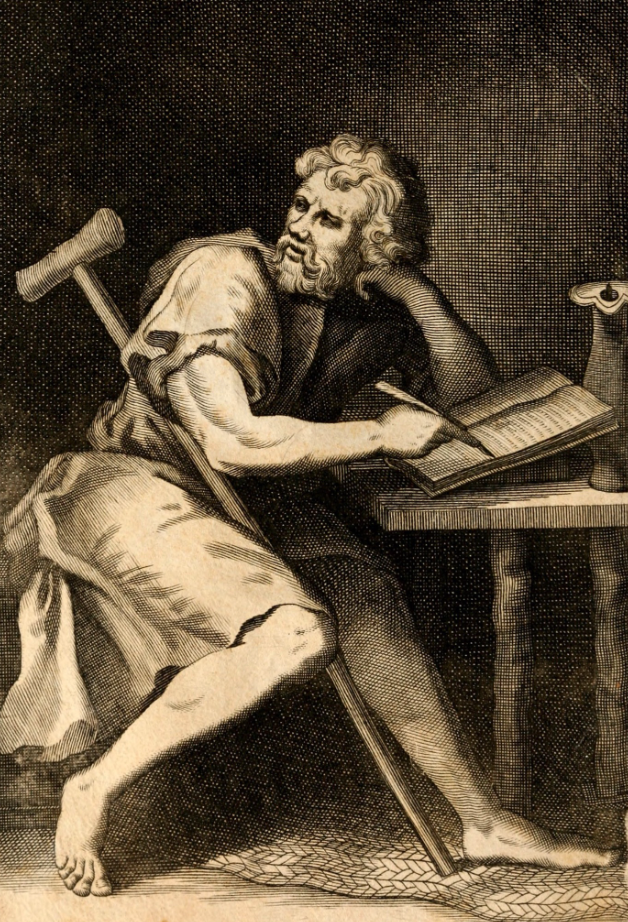
Picture two piles. Everything you control goes into the first one. Into the second one goes everything you don't. Epictetus believed most of our suffering comes from mixing up the piles. We pour our energy, worry and self-worth into the second pile, then feel helpless when it doesn't obey.
Election Day is less than a month away, and Washington has been sending mixed signals about whether the threat of having armed federal immigration agents showing up at the polls still stands.




Comments